


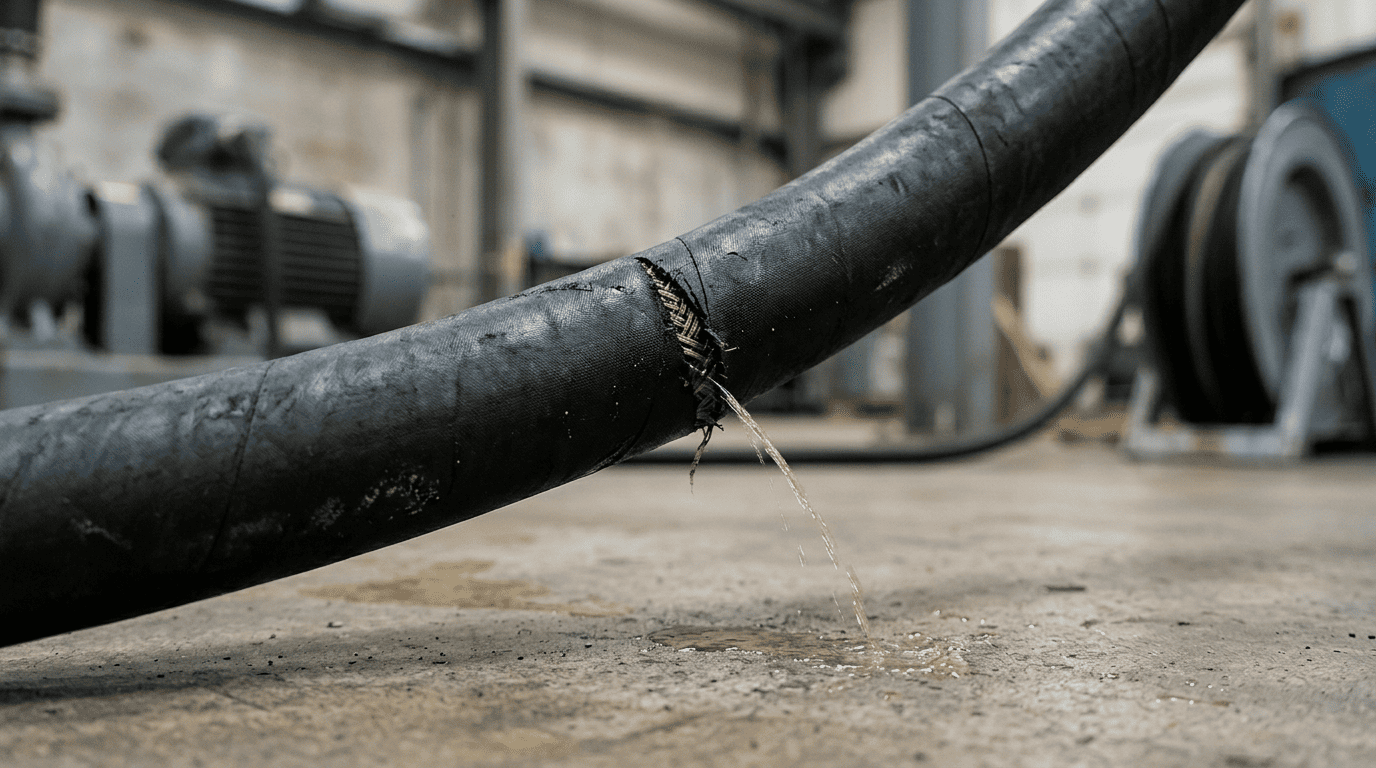
The Hidden Risks of Using Low-Quality Industrial Hoses
In industrial operations, hoses are often overlooked until something goes wrong. From manufacturing plants to oil and gas facilities, a single hose failure can lead to costly downtime, safety hazards, and compliance issues.
While low-cost options may seem attractive, using substandard products from an unreliable hose supplier in Malaysia can expose your business to serious risks. This guide explains the hidden dangers of low-quality industrial hoses and why investing in the right solution matters.
Why Hose Quality Matters More Than You Think
Industrial hoses operate under demanding conditions:
- High pressure and temperature
- Exposure to chemicals and oils
- Constant movement and abrasion
A poorly manufactured hose may not withstand these conditions, leading to:
- Premature failure
- Leaks and contamination
- Increased maintenance costs
Choosing the right industrial hose in Malaysia is essential for maintaining safe and efficient operations.
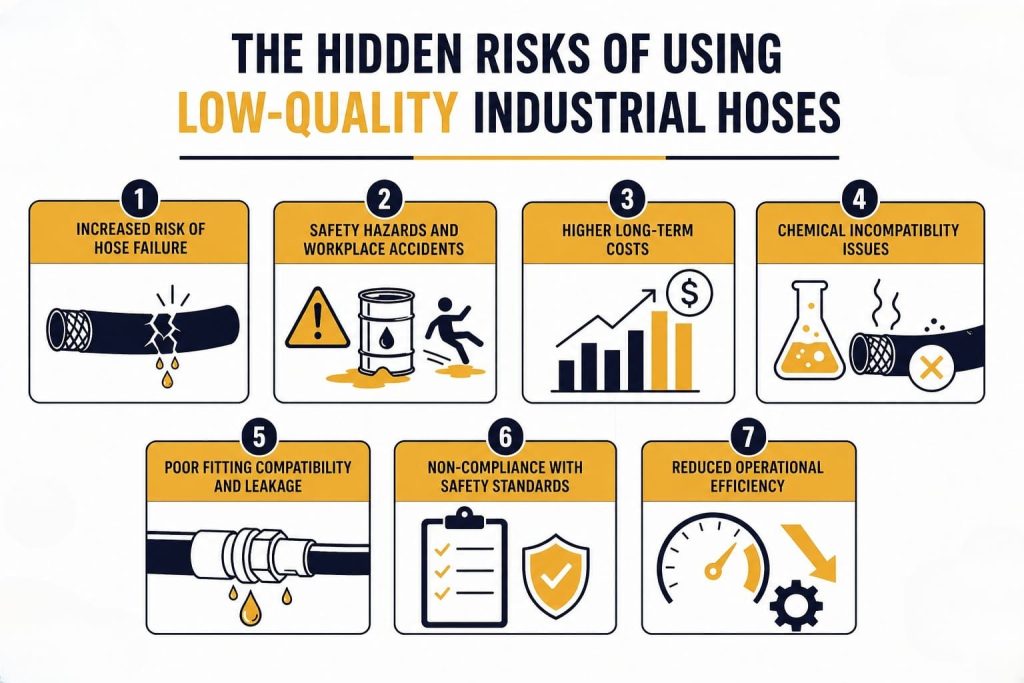
1. Increased Risk of Hose Failure
Low-quality hoses are more prone to:
- Cracking under pressure
- Bursting during operation
- Weak reinforcement breakdown
In hydraulic systems, failure can result in:
- Sudden fluid loss
- Equipment shutdown
- Safety incidents for workers
This is especially critical in industries like construction, manufacturing, and oil & gas in Malaysia, where system reliability is non-negotiable.
2. Safety Hazards and Workplace Accidents
One of the biggest risks is compromised safety.
Low-grade hoses may lack:
- Proper pressure ratings
- Chemical resistance
- Anti-static properties
This increases the likelihood of:
- Chemical spills
- Fire hazards (especially in fuel transfer)
- Slips and injuries due to leaks
Using certified, high-quality hoses significantly reduces these risks.
3. Higher Long-Term Costs
Cost Comparison
| Cost Factor | Low-Quality Hose | High-Quality Hose |
|---|---|---|
| Initial Cost | Lower | Higher |
| Lifespan | Short | Long |
| Replacement Frequency | High | Low |
| Downtime Risk | High | Low |
| Maintenance Cost | High | Lower |
While the upfront cost is lower, businesses often end up paying more due to:
- Frequent replacements
- Production interruptions
- Emergency repairs
4. Chemical Incompatibility Issues
Not all hoses are built to handle aggressive substances.
Low-quality hoses may:
- Degrade when exposed to chemicals
- Absorb or react with fluids
- Cause contamination
For example:
- Using the wrong PVC hose in Malaysia for chemicals can lead to softening or cracking
- Failing to use proper composite hose in Malaysia solutions in fuel transfer increases safety risks
Selecting the right material is critical for safe fluid handling.
5. Poor Fitting Compatibility and Leakage
Even a good hose can fail if paired with the wrong fittings.
Low-quality suppliers often provide:
- Inconsistent sizing
- Poorly manufactured connectors
- Weak sealing performance
This leads to:
- Persistent leaks
- Pressure drops
- System inefficiency
Using reliable hose fitting Malaysia solutions ensures proper sealing and long-term performance.
6. Non-Compliance with Safety Standards
Industrial operations in Malaysia must meet certain safety and quality standards.
Low-quality hoses may:
- Lack proper certification
- Fail to meet pressure or chemical resistance requirements
- Increase liability in case of accidents
Non-compliance can result in:
- Fines and penalties
- Project delays
- Reputational damage
7. Reduced Operational Efficiency
Hose performance directly impacts system efficiency.
Poor-quality hoses can cause:
- Flow restrictions
- Pressure loss
- Increased energy consumption
Over time, this reduces productivity and increases operational costs.
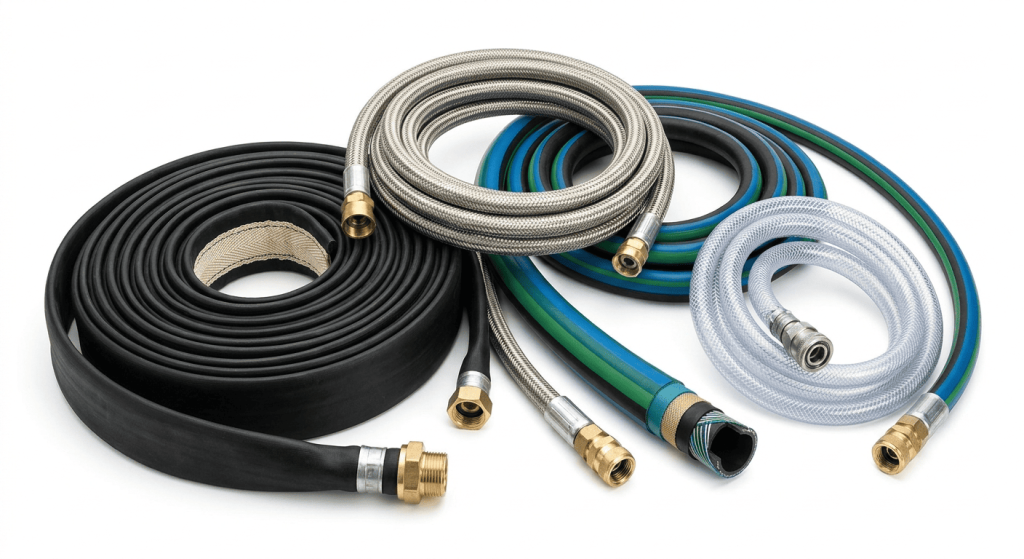
How to Identify High-Quality Industrial Hoses
To avoid these risks, look for the following:
- Clear pressure and temperature ratings
- Material compatibility with your application
- Strong reinforcement and construction
- Certification and compliance standards
- Reliable supplier with technical expertise
Working with an experienced hose supplier Malaysia helps ensure you get the right product for your needs.
Get the Right Hose Solution for Your Application
Ensure safety, performance, and reliability by selecting the correct industrial hose with expert guidance.
Final Thoughts
Low-quality industrial hoses may appear cost-effective initially, but they often lead to serious long-term issues such as leaks, unexpected breakdowns, safety hazards, and unplanned downtime. In industrial environments, these problems can quickly escalate into higher maintenance costs and operational disruptions that far exceed the money saved at the point of purchase.
Choosing the right industrial hose is ultimately about reliability, safety, and long-term performance. Investing in properly rated, application-specific hoses helps improve system efficiency, reduce replacement frequency, and ensure compliance with safety standards. Over time, this approach delivers better value and more stable operations for Malaysian industries.
Frequently Asked Questions (FAQs)
How do I know if my industrial hose is low quality?
Common signs include frequent leaks, cracking, hardening, swelling, or early failure under normal operating pressure.
What risks come from using a cheap industrial hose?
Low-quality hoses can lead to leaks, equipment damage, safety hazards, production downtime, and higher long-term replacement costs.
How often should industrial hoses be replaced?
It depends on usage and environment, but regular inspection is recommended and replacement is needed once wear, cracks, or pressure loss appear.
Can I use any hose for chemicals or oil transfer?
No. You must use hoses designed for specific chemicals or fuels. Using the wrong type can cause corrosion, leaks, or contamination.
What should I consider when choosing an industrial hose supplier in Malaysia?
Look for technical expertise, product quality, proper certifications, after-sales support, and the ability to recommend the right hose for your application.