


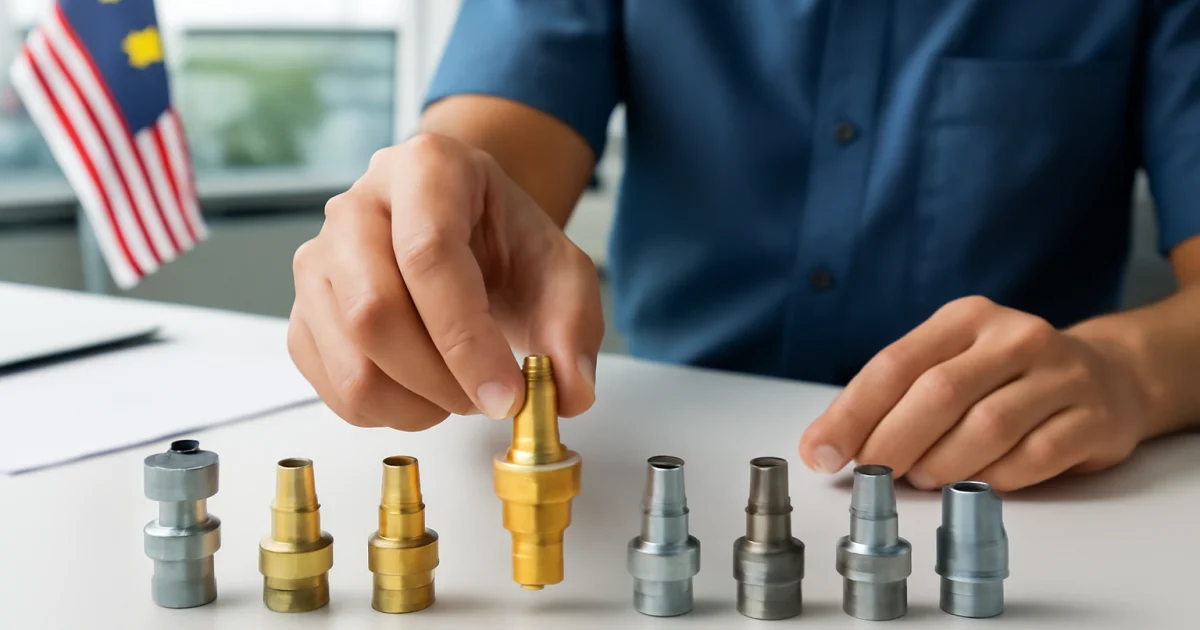
Why Choosing the Right Hose Fitting in Malaysia Matters: Expert Opinions from Industry Leaders
In Malaysia’s dynamic industrial landscape, from manufacturing plants to oil and gas fields, the reliability of fluid transfer systems is paramount. At the heart of these systems lie the humble hose fittings—components often overlooked until failure causes downtime, safety hazards, or costly repairs. Leading engineers and procurement experts agree: choosing the right hose fitting in Malaysia is not just a technical detail but a strategic decision with far-reaching consequences. For readers comparing options, Hose Fitting Malaysia is the main topic this guide explains.
Understanding Hose Fittings: The Unsung Heroes of Industrial Systems
Hose fittings serve as the crucial link between hoses, tubing, machinery, and control systems. They ensure fluids—be it hydraulic oil, water, air, or chemicals—are transferred safely and efficiently under demanding conditions. In sectors such as plastics, steel, mining, and process plants, the right fitting can mean the difference between uninterrupted productivity and catastrophic failure.
Industry leaders emphasize that a fitting’s compatibility with the hose, pressure rating, material construction, and sealing mechanism all play vital roles. A mismatch, even between high-quality hoses and substandard fittings, can compromise the entire system. As one senior engineer from a leading steel mill notes, “The hose is only as strong as its weakest fitting.”
Common Pitfalls: What Can Go Wrong With the Wrong Hose Fitting?
Failures often stem from overlooked details: incorrect thread types, incompatible materials, or fittings not rated for the application’s pressure and temperature. These mistakes can manifest as:
- Leaks: Poor sealing or mismatched materials can cause fluid leaks, leading to environmental hazards and slip risks.
- System Failure: A burst or disconnected fitting can stop production lines and damage expensive equipment.
- Safety Hazards: Pressurized fluid leaks or hose blow-offs may cause injuries or even fatalities in extreme cases.
- Frequent Maintenance: Using fittings not designed for Malaysian industrial conditions results in recurring replacements and higher maintenance costs.
One procurement manager in the oil and gas sector recounts, “We once tried to cut costs with generic fittings. After a single blowout, the downtime and repairs far exceeded any initial savings.”
Expert Insight: Key Criteria When Selecting Hose Fittings in Malaysia
Based on interviews with procurement specialists and maintenance engineers across Malaysian industries, several recurring themes emerge:
- Material Compatibility: Stainless steel, brass, or specialty alloys may be needed for corrosive fluids or harsh environments.
- Pressure and Temperature Ratings: Always select fittings rated for the maximum operating conditions of your system. Underestimating these can have disastrous results.
- Connection Type: Threaded, flanged, quick-connect, or push-to-connect fittings each have distinct advantages depending on application, ease of maintenance, and leak prevention needs.
- Compliance and Standards: Ensure fittings meet international and Malaysian standards (such as ISO, DIN, or JIS), especially for regulated industries.
- Supplier Support: Working with a reputable supplier like Continental Hydraulic Trading Sdn Bhd enables access to technical guidance, local stock, and after-sales service.
For those operating hydraulic hose systems, the specific choice of pneumatic tubing and hose fittings or industrial hose connections also depends on the nature of the fluid, pressure, and the need for quick maintenance turnaround.
Practical Example: Manufacturing Plant Case Study
A Malaysian plastics manufacturer faced recurring leaks in their injection moulding machines. Investigation revealed the root cause: incompatible hose fittings unable to withstand high-temperature hydraulic oil. After consulting with an experienced supplier and switching to high-spec stainless steel fittings designed for thermal resistance, leak incidents dropped to zero. The plant recorded a 30% decrease in unplanned downtime, reinforcing the direct link between fitting choice and operational efficiency.
Industry Leader Opinions: Why Expertise and Local Context Matter
Several industry insiders stress that local factors—such as humidity, chemical exposure, and regulatory requirements—make the Malaysian market unique. A senior maintenance engineer in a major cement plant shares, “Global brands are important, but local knowledge is irreplaceable. The right supplier understands the demands of Malaysian industries and helps specify the correct fittings for the job.”
Working with established suppliers, such as Continental Hydraulic Trading Sdn Bhd, ensures both international product quality and local support. These suppliers stock a wide range of hose fittings, from hydraulic tubing and stainless steel flexible hose to stainless steel hose and composite hose options, and provide technical support tailored to the Malaysian context.
Cost vs. Value: The True Price of Hose Fittings
While it may be tempting to focus on upfront costs, industry leaders argue that the true value lies in lifecycle cost and risk minimization. Fittings that fail prematurely or require frequent replacement drive up total cost of ownership, disrupt production, and erode profit margins.
One plant engineer in the mining sector puts it succinctly: “A cheap fitting that fails in the field can shut down a million-ringgit machine. The ‘expensive’ fitting, if it prevents just one failure, pays for itself many times over.”
Besides direct costs, consider the indirect value of supplier expertise, warranty support, and the availability of replacement parts. An established industrial hose supplier with a strong brand portfolio can also help standardize fittings across multiple sites, simplifying inventory and reducing procurement complexity.
The Role of Standards and Compliance in Malaysian Industries
Compliance is more than a box-ticking exercise. Industries such as oil and gas, pharmaceuticals, and food processing are tightly regulated and require fittings that meet strict standards for safety, hygiene, and performance. Non-compliant fittings can result in failed audits, legal liabilities, and damaged reputations.
For example, stainless steel ball valves and specialized tube fittings are often required in process plants to ensure safe, leak-free operation. Working with suppliers who provide documentation and traceability, and who are familiar with local compliance requirements, is essential to maintaining operational integrity.
Future-Proofing: Selecting Fittings for Tomorrow’s Demands
Malaysian industries are rapidly evolving, with increasing automation, higher pressures, and the need for more specialized fluids. The right hose fitting choice today should also consider future scalability and changes in process requirements. Modular, quick-connect, or high-performance fittings can provide flexibility for system upgrades and process changes.
Industry leaders suggest creating a fitting specification ‘playbook’ tailored to each plant’s needs, regularly reviewed with trusted suppliers. This proactive approach ensures that as machinery and standards evolve, your fittings remain up to the task, reducing the risk of obsolescence and unplanned retrofits.
Scenario Analysis: Real-World Consequences of Poor Fitting Choices
To further illustrate the impact of hose fitting selection, consider these real-world scenarios:
- Case 1: Chemical Manufacturing Plant – A facility using aggressive solvents chose fittings based solely on price, neglecting the need for specialized chemical-resistant materials. Within months, corrosion led to catastrophic leaks, environmental fines, and costly operational halts. After switching to PTFE-lined stainless steel fittings recommended by a local supplier, incidents were eliminated, and compliance improved.
- Case 2: Food Processing Industry – Hygienic standards are non-negotiable, but one processor unknowingly used fittings with unsuitable seals. After a failed audit due to contamination risks, they worked with a specialist to upgrade to FDA-approved fittings, resulting in successful certification and improved product safety.
- Case 3: Offshore Oil Rigs – Extreme pressures and saltwater exposure demand unique fitting solutions. An offshore operator experienced repeated failures with standard fittings. After consulting with experts, they implemented duplex stainless steel and high-pressure quick-connects, which withstood the harsh environment and reduced maintenance trips, saving significant operational costs.
Comparing Hose Fittings: Which Type Is Right for Your Application?
Selecting the optimal hose fitting involves more than just matching diameter and thread. Let’s compare some of the most common fitting types used across Malaysian industries and highlight when each is most suitable:
- Threaded Fittings: Ideal for permanent or semi-permanent installations in environments with minimal vibration. Offer strong, reliable connections but require careful matching of thread type (BSP, NPT, JIC, etc.).
- Flanged Fittings: Best for high-pressure applications or systems requiring frequent disassembly for maintenance. Provide robust sealing and are commonly used in oil & gas or chemical plants.
- Quick-Connect Fittings: Designed for rapid assembly and disassembly without special tools. Favoured in applications where hoses or lines need regular replacement, such as in pneumatic systems or testing setups.
- Push-to-Connect Fittings: Allow for fast installation, typically in low- to medium-pressure pneumatic or water systems. Useful in food processing or packaging lines where downtime must be minimized.
Each fitting type carries specific advantages and limitations. For example, quick-connects may not provide the same leak-proof integrity as threaded systems under very high pressures, while flanged fittings can be bulkier and costlier to install. Consulting with technical experts ensures you select the type best suited to your operating context and safety requirements.
Proactive Maintenance: Extending the Life of Hose Fittings
Even the highest quality fittings require regular inspection and maintenance to perform optimally. Implementing a proactive maintenance routine not only reduces the risk of unexpected failures but also extends the service life of your hose assemblies. Key steps include:
- Scheduled Inspections: Regularly check fittings for signs of wear, corrosion, or leaks, especially in high-vibration or high-pressure systems.
- Torque Checks: Ensure fittings remain properly tightened to manufacturer specifications to prevent loosening due to vibration or thermal cycling.
- Seal and Gasket Replacement: Monitor and replace worn seals and gaskets promptly to maintain leak-tight integrity and avoid system contamination.
- Documented Maintenance: Keep records of fitting installations, inspections, and replacements to identify trends or recurring issues.
Training staff to recognize early warning signs and establishing clear maintenance protocols is a simple yet highly effective way to maximize the reliability and safety of your hose fitting systems.
Comprehensive Checklist: How to Ensure Optimal Hose Fitting Selection
- Define fluid type, pressure, temperature, and flow requirements for every connection point.
- Document the environmental conditions (humidity, chemical exposure, vibration, UV exposure).
- Confirm compatibility between fitting and hose materials, including all seals and gaskets.
- Verify that all fittings meet or exceed both local (SIRIM, DOSH) and international (ISO, DIN, JIS) standards as required.
- Evaluate supplier track record, technical support, and ability to provide after-sales service and urgent replacements.
- Request documentation and traceability for fittings used in regulated industries.
- Assess lifecycle cost—not just purchase price—including maintenance, downtime, and replacement frequency.
- Standardize fitting types across departments or sites where possible to simplify inventory and training.
- Plan for future expansion or process changes by considering modular or scalable fitting solutions.
Actionable Steps: How to Choose the Right Hose Fitting in Malaysia
- Assess Your Application: Map out pressure, temperature, chemical exposure, and movement requirements for each connection point.
- Consult with Experts: Engage with suppliers who offer technical support and understand local industrial conditions.
- Prioritize Compliance: Specify fittings that meet local and international standards relevant to your sector.
- Standardize Where Possible: Use common fitting types across sites to reduce inventory and simplify maintenance.
- Plan for Maintenance: Choose designs that enable easy inspection, replacement, and testing.
For further insights, consider reading The Hidden Risks Of Using Low Quality Industrial Hoses and PVC Hose Vs Composite Hose for deeper exploration of hose material safety and selection.
Conclusion: Strategic Selection for Long-Term Success
Choosing the right hose fitting in Malaysia is about more than ticking off a specification sheet. It requires understanding your operational environment, working with experienced suppliers, and valuing long-term safety and efficiency over short-term savings. Industry leaders agree: the right fitting is an investment in reliability, compliance, and peace of mind.
For those seeking a one-stop solution, working with a reputable supplier such as Continental Hydraulic Trading Sdn Bhd provides the technical expertise, product range, and local support needed to meet Malaysia’s demanding industrial requirements. Don’t let a simple fitting become your system’s weakest link—make your selection a strategic one.
Frequently Asked Questions
What are the main types of hose fittings used in Malaysian industries?
Malaysian industries commonly use threaded, flanged, quick-connect, and push-to-connect hose fittings. The choice depends on application pressures, fluid types, and the need for maintenance accessibility. Materials range from carbon steel and brass to stainless steel, with stainless steel ball valves and tube fittings preferred for high-corrosion or hygienic environments.
How do I know if a hose fitting is compatible with my system?
Ensure the fitting matches your hose diameter, thread type, and pressure rating. Check chemical compatibility between the fitting material and the fluid. Consult product datasheets and seek supplier guidance—reputable suppliers like Continental Hydraulic Trading Sdn Bhd provide technical support to verify compatibility.
Why is compliance important when selecting hose fittings in Malaysia?
Compliance with local and international standards ensures safety, reliability, and legal adherence. Non-compliant fittings can lead to system failures, injuries, failed audits, and legal consequences, especially in regulated sectors like oil and gas or food processing.
What are the signs of a failing hose fitting?
Common signs include visible leaks, bulging or damaged hoses near the fitting, unusual noises, vibration, or a drop in system performance. Regular inspection and prompt replacement of worn or corroded fittings can help prevent costly failures and unplanned downtime.
How do I choose between stainless steel and other fitting materials?
Stainless steel fittings are ideal for corrosive environments, high-pressure applications, and situations where hygiene is critical. Brass or carbon steel may be suitable for less demanding applications. Consider both the fluid type and the external environment when making your selection, and consult with an expert supplier to ensure optimal performance.
Partner with Continental Hydraulic Trading Sdn Bhd for Reliable Hose Fitting Solutions
Upgrade your industrial systems with the right hose fittings and technical expertise. Continental Hydraulic Trading Sdn Bhd offers a comprehensive range of hose fittings, tubing, valves, and maintenance services tailored for Malaysia’s demanding industries. Our experienced team helps you specify, source, and maintain high-performance components for lasting system reliability. Let us support your next project—contact us today to discuss your requirements.