


Beginner’s Guide: Understanding Stainless Steel Hose Applications for Malaysian Industries
Stainless steel hoses are essential components in many Malaysian industries, from manufacturing floors to oil and gas fields. For new engineers, technical trainees, and entry-level staff, understanding the basics of these hoses can ensure safer, more efficient, and reliable operations. This beginner’s guide will break down the functions, benefits, and wide-ranging applications of stainless steel hoses in Malaysia, helping you make informed decisions for your facility or project.
What Are Stainless Steel Hoses?
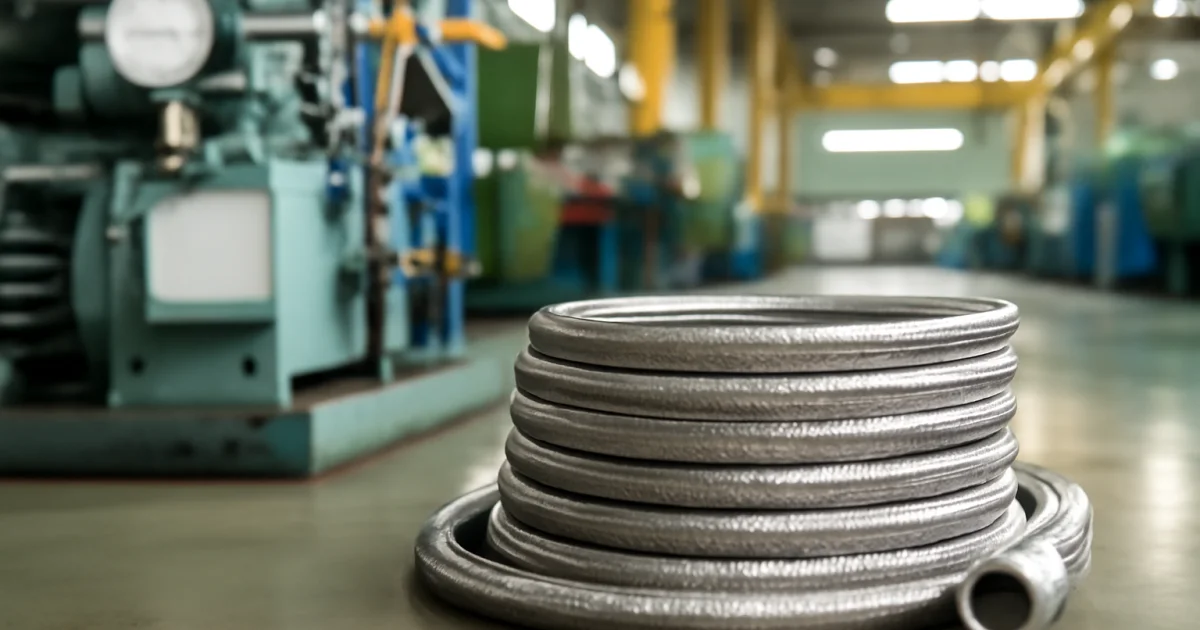
Stainless steel hoses are flexible tubes made primarily from high-grade stainless steel. They consist of an inner corrugated tube that allows for flexibility, often reinforced with an external braid for added strength and pressure resistance. These hoses are designed to transport fluids or gases where flexibility, durability, and resistance to high pressure or corrosive environments are required.
Stainless steel hoses are favored in industrial settings because they can handle extreme temperatures, resist chemicals, and withstand mechanical stress. Unlike rubber or plastic hoses, they do not degrade easily, making them ideal for demanding applications.
Key Benefits of Stainless Steel Hoses
- Corrosion resistance: Stainless steel offers excellent resistance to rust and chemical corrosion, even in harsh environments.
- Temperature tolerance: Suitable for both high and low temperature applications, from cryogenics to steam lines.
- Pressure strength: The braided construction allows for safe operation at high pressures.
- Durability and longevity: These hoses last significantly longer compared to non-metallic alternatives.
- Flexibility: Their design allows for easy installation even in tight or complex spaces.
Where Are Stainless Steel Hoses Used in Malaysia?
Stainless steel hoses are found throughout Malaysia’s industrial landscape. Here are some practical examples of their use:
- Manufacturing plants: Carrying steam, hot water, cooling fluids, or chemicals in automated machinery and process lines.
- Plastic injection molding: Managing hydraulic fluids at varying temperatures and pressures for consistent operations.
- Steel and metal industries: Handling high-pressure hydraulic fluids, compressed air, or cooling water in rolling mills and fabrication lines.
- Oil and gas sector: Withstanding harsh chemicals, high pressure, and temperature extremes in upstream and downstream operations.
- Mining and quarry equipment: Providing durable connections for hydraulic cylinders, pumps, and other heavy-duty machinery.
- Cement processing plants: Transferring abrasive or hot materials with minimal wear and tear.
For a more detailed look at flexible hose options, explore our stainless steel flexible hose range.
Common Types of Stainless Steel Hoses
Stainless steel hoses come in several configurations, each designed for specific industrial needs:
- Corrugated hoses: The most common type, featuring a corrugated inner tube for flexibility and vibration absorption.
- Braided hoses: Corrugated hoses reinforced with an external stainless steel braid, increasing pressure capacity and mechanical strength.
- Annular and helical profiles: The shape of the corrugation impacts flexibility and pressure ratings. Annular is more common for industrial use.
- Flexible metal assemblies: Custom hose assemblies with specific fittings or connectors, tailored for each application.
Choosing the right type depends on your required pressure, temperature range, media, and installation environment. For technical guidance, you can view our stainless steel hose product details.
Key Applications Across Malaysian Industries
1. Hydraulic Systems
Stainless steel hoses play a vital role in hydraulic systems, where durability and pressure resistance are essential. They connect pumps, cylinders, and valves, ensuring safe transport of hydraulic fluids under high pressure. Their flexibility is especially useful for accommodating movement or vibration in machinery.
2. Chemical Processing
In chemical plants, hoses must resist aggressive fluids and high temperatures. Stainless steel is preferred for transferring acids, solvents, or steam without risk of degradation. Proper hose selection reduces leaks and maintenance downtime, contributing to plant safety.
3. Food, Beverage, and Pharmaceutical Processing
Stainless steel’s corrosion resistance and cleanability make it ideal for hygienic applications. Flexible hoses are used to transfer liquids and gases in process equipment while meeting stringent cleanliness standards.
4. Oil & Gas, Mining, and Heavy Industry
These sectors demand hoses that withstand extreme environments and heavy use. Stainless steel hoses are relied upon for fuel, oil, air, and hydraulic lines on rigs, refineries, and mining equipment.
Expanded Applications and Real-World Scenarios
In addition to core industries, stainless steel hoses are increasingly found in renewable energy, HVAC (heating, ventilation, air conditioning), and water treatment facilities. For example, solar power plants use stainless steel hoses for thermal fluid transfer, where durability and temperature tolerance are critical. Similarly, in large-scale HVAC installations, these hoses connect chillers, heat exchangers, and pumps, reducing vibration and simplifying maintenance.
Water treatment plants, especially those processing seawater or industrial wastewater, benefit from stainless steel hoses for transferring corrosive or abrasive liquids. Their resistance to scaling and ease of cleaning help maintain water purity and reduce downtime.
Let’s consider a scenario: A Malaysian palm oil refinery upgrades its steam lines with stainless steel hoses. The previous rubber hoses frequently failed due to heat and chemical exposure, causing production delays. After switching to stainless steel, the plant experienced longer hose life, reduced leaks, and improved safety, resulting in measurable cost savings and less unplanned maintenance.
How to Select the Right Stainless Steel Hose
Selecting the correct hose is critical for safety and performance. Here’s a step-by-step approach:
- Identify the media: What fluid or gas will pass through the hose? Consider chemical compatibility.
- Determine pressure and temperature requirements: Know your system’s maximum and minimum values.
- Choose the right construction: Decide if you need a single or double braid, specific corrugation, or custom assembly.
- Select suitable fittings: Stainless steel ball valves, tube fittings, or flanges must match your hose and system requirements. For Malaysia-specific applications, see our stainless steel tube fittings and valves.
- Consider installation environment: Account for vibration, movement, space constraints, and potential for abrasion.
Checklist for Hose Selection
- Media compatibility (acids, solvents, steam, food-grade, etc.)
- Maximum working pressure and temperature
- Required hose length and bend radius
- End connections or fittings
- Certification needs (e.g., food-grade, ATEX, ISO)
- Frequency of movement or vibration
- External environment (exposure to sun, chemicals, or abrasion)
Working with an experienced hose supplier helps avoid costly mistakes. Continental Hydraulic Trading Sdn Bhd provides technical assistance, product selection, and after-sales support for a wide range of industrial hose needs.
Common Mistakes to Avoid When Choosing and Installing Stainless Steel Hoses
- Underestimating pressure or temperature requirements: Always select hoses rated for your system’s maximum conditions to prevent failures.
- Poor fitting selection: Mismatched fittings can cause leaks or unsafe connections; consult with your supplier for compatibility.
- Improper bending or routing: Excessive bending or twisting can weaken the hose and reduce service life.
- Ignoring movement or vibration: Allow for enough slack and proper supports to accommodate movement and prevent premature wear.
- Neglecting regular inspection: Skipping periodic checks increases the risk of undetected damage or leaks, especially in critical systems.
Installation and Maintenance Best Practices
Proper installation and maintenance are essential for maximizing hose life and safety:
- Install with gentle bends: Avoid sharp bends or kinks that can stress the hose.
- Allow for movement: Make sure the hose can flex as needed, but isn’t stretched or compressed.
- Support and clamp as required: Use appropriate supports to prevent sagging and abrasion.
- Regular inspections: Check for signs of wear, leaks, or corrosion, especially at connections and fittings.
- Hydro testing: Perform regular pressure tests to confirm hose integrity—ask your supplier about available testing services.
Following these practices reduces the risk of unexpected failures and extends the working life of your hose assemblies.
Maintenance Tips and Inspection Schedule
- Inspect hoses monthly for external damage, cracks, or corrosion.
- Check connections and fittings for secure attachment and leaks.
- Clean hoses regularly, especially in food, beverage, or pharmaceutical applications.
- Record inspection results and replace hoses showing significant wear or performance degradation.
- Schedule pressure tests annually or as required by your facility’s safety standards.
Stainless Steel Hose vs. Other Hose Types
While stainless steel hoses offer unique benefits, other hose types are used in Malaysian industries, each with distinct advantages and limitations:
- Rubber hoses: Flexible and cost-effective, but less durable in corrosive or high-temperature environments.
- Composite hoses: Built for chemical resistance and flexibility, but may not match stainless steel’s pressure and temperature ratings.
- PVC hoses: Lightweight and economical, suitable for non-critical water or air applications, but not for high pressure or temperature.
- Pneumatic tubing: Used for air supply in automation and machinery, but not suitable for aggressive fluids or high-pressure hydraulic systems.
A practical comparison: In a chemical processing facility, composite hoses may be chosen for transfer of solvents due to their lightness and flexibility—but for steam lines or acid transfer, stainless steel hoses remain the safer, longer-lasting choice due to superior resistance to pressure, heat, and corrosion.
When safety, longevity, and reliability are essential, stainless steel hoses are often the preferred choice. To compare options further, see our guide on PVC vs. composite hoses.
How to Source Quality Stainless Steel Hoses in Malaysia
Choosing the right supplier is as important as choosing the right product. Trusted suppliers like Continental Hydraulic Trading Sdn Bhd offer:
- Wide product selection: Access to various hose types, fittings, valves, and accessories for multiple industries.
- Technical support: Guidance on selecting, installing, and maintaining hoses for your specific needs.
- Testing and repair services: In-house hydro testing, hose crimping, and repair to keep your systems running reliably.
- Custom assemblies: Tailored hose solutions built to your specifications and operational requirements.
- International brands: Genuine products from leading brands such as Eaton, Manuli, S-LOK, and others.
For those searching for a “hose pipe supplier” or “hydraulic hose near me,” choosing a reputable partner ensures compliance, safety, and long-term value.
Questions to Ask Your Hose Supplier
- Do you provide technical documentation and certifications for your hoses?
- Can you assist with custom hose assemblies and fittings?
- What after-sales support and maintenance services are available?
- Are your hoses tested for pressure and chemical compatibility?
- How quickly can you deliver replacement parts or urgent orders?
Conclusion: Stainless Steel Hose Malaysia – The Reliable Choice for Industry
Stainless steel hoses are a cornerstone of industrial reliability in Malaysia. Their unmatched durability, chemical resistance, and versatility make them suitable for everything from hydraulic systems to chemical processing and heavy machinery. For new engineers and technical staff, understanding stainless steel hose basics helps ensure safe system design, reduces downtime, and supports efficient plant operations.
When you need robust solutions for demanding environments, consider Continental Hydraulic Trading Sdn Bhd as your trusted partner for Stainless Steel Hose Malaysia and related products. With technical support, a wide selection, and proven experience, you can be confident in your hose choices now and as your facility grows.
Frequently Asked Questions
What are the main advantages of stainless steel hoses over rubber or PVC hoses?
Stainless steel hoses offer superior durability, corrosion resistance, and temperature tolerance compared to rubber or PVC hoses. They can handle high pressures and harsh chemicals, making them ideal for demanding industrial environments. Additionally, stainless steel hoses last longer and require less frequent replacement.
How do I choose the right stainless steel hose for my application?
To select the right stainless steel hose, consider the type of fluid or gas being transferred, required pressure and temperature ratings, hose size, connection type, and the installation environment. Consulting with an experienced supplier helps ensure you receive a hose tailored to your operational needs.
Can stainless steel hoses be used with food, beverage, or pharmaceutical products?
Yes, stainless steel hoses are suitable for food, beverage, and pharmaceutical applications due to their corrosion resistance and cleanability. They can be cleaned and sanitized easily, meeting strict hygiene standards required by these industries.
What maintenance is required for stainless steel hoses?
Regular inspection for signs of wear, leaks, or corrosion is important. Hoses should be installed without sharp bends or excessive stretching, and supports or clamps should be used where needed. Periodic hydro testing and cleaning help extend the hose’s service life and ensure safety.
What fittings are commonly used with stainless steel hoses in Malaysia?
Common fittings include stainless steel ball valves, tube fittings, flanges, and quick connectors. The choice depends on the application’s pressure, media, and compatibility requirements. Always ensure fittings are matched to the hose and system specifications for safe operation.
Ready to Upgrade Your Industrial Hoses?
Trust Continental Hydraulic Trading Sdn Bhd for high-quality stainless steel hoses, fittings, and maintenance services tailored to Malaysian industries. Our wide product range and technical expertise help you select, install, and maintain hoses with confidence. Contact our team today for expert guidance and solutions designed for your operational needs.