


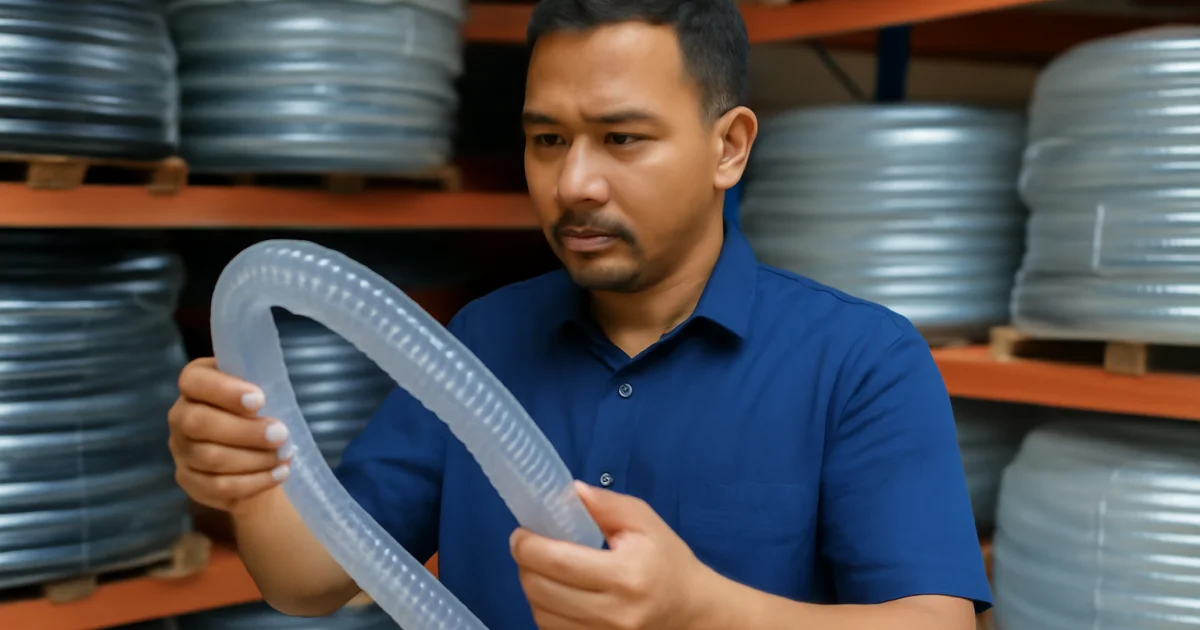
Expert Opinion: Navigating the Malaysian Market for PVC Hoses – What You Need to Know
When sourcing PVC hoses for Malaysian industries, the choices can feel overwhelming. As an industry observer and consultant, I’ve seen how procurement teams and business owners often underestimate the complexity of this simple-seeming product. From manufacturing to plastics, steel, oil and gas, and mining, the right PVC hose is critical for safety, efficiency, and cost control.
Introduction: The Real Stakes in Sourcing PVC Hoses
Many believe that buying hoses boils down to price, but in Malaysia, market dynamics, standards, and supplier reliability play a significant role. With the country’s industrial expansion and the increasing sophistication of machinery, procurement teams face rising pressure to ensure both operational continuity and safety compliance. Choosing the right PVC hose supplier is not just about ticking a box—it’s about safeguarding your equipment, people, and reputation.
Understanding the Malaysian PVC Hose Landscape
Malaysia’s PVC hose market is shaped by diverse industries, each with unique requirements. Manufacturing plants require hoses for fluid transfer and pneumatic systems, while oil & gas and mining demand heavy-duty, chemical-resistant options. Local and imported brands coexist, with products ranging from basic garden hoses to specialized industrial and food-grade tubing. The presence of global players, such as Continental Hydraulic Trading Sdn Bhd, has elevated expectations for technical support and after-sales service.
There are also regulatory requirements to consider, especially for industries where compliance with SIRIM, ISO, or specific material safety certifications is a must. Procurement teams must distinguish between commodity hoses and those engineered for critical applications. This is particularly vital in sectors like food processing, pharmaceuticals, and chemicals, where contamination risks and durability are paramount.
Key Criteria When Sourcing PVC Hoses in Malaysia
Based on years of industry consultation, I recommend that procurement teams evaluate suppliers and products using a multi-criteria approach:
- Material Quality: Not all PVC hoses are alike. Inspect for wall thickness, plasticizer content, and reinforcement (braided, spiral, or smooth bore).
- Pressure and Temperature Ratings: Ensure hoses match your application’s working pressure and temperature. Over-specification wastes budget; under-specification risks failure.
- Compliance and Certifications: For regulated industries, demand proof of compliance (SIRIM, FDA, ISO) and material traceability.
- Supplier Reliability: Choose suppliers with established track records, technical support, and documentation. Look for those who offer after-sales service and testing.
- Lead Time and Stock Availability: Urgent projects require prompt delivery. Evaluate the supplier’s inventory management and local warehousing.
- Customisation and Value-Added Services: Some operations need hoses with custom lengths, end fittings, or hydro testing. Partner with suppliers who can fabricate or assemble to your specifications.
Industry-Specific Needs and Applications
Understanding the precise requirements of your sector is crucial in specifying the right hose. Let’s look at a few industry-specific considerations:
- Manufacturing and Assembly: Pneumatic tools, automated machinery, and cooling systems rely on hoses with specific flexibility and kink resistance. A misfit can compromise product quality or cause interruptions in assembly lines.
- Food and Beverage: Hoses used for consumable liquids must be food-grade, odor-free, and easy to clean. Certifications such as FDA, EU, or JIS are often mandatory.
- Oil & Gas and Mining: Exposure to harsh chemicals, oils, and abrasives demands hoses with advanced reinforcement and resistance properties. Misjudging compatibility can result in catastrophic leaks or hazardous spills.
- Pharmaceutical and Chemical Processing: Absolute cleanliness, traceability, and chemical resistance govern hose selection. Any risk of contamination or leaching is unacceptable.
By engaging with suppliers who understand your industry’s nuances, you get access to expert recommendations and avoid pitfalls that come from generic sourcing.
Practical Example: The Cost of Overlooking Quality
Consider a plastic manufacturing plant in Penang that sourced low-cost PVC hoses for compressed air lines. Within months, hoses started cracking and leaking, causing machine downtime and safety incidents. Upon investigation, it was found the hoses lacked proper reinforcement and weren’t rated for the plant’s operational pressure. The procurement team had to replace the entire batch, incurring extra costs and lost production hours.
This scenario is not unique. The lesson: always evaluate the total cost of ownership, not just the upfront price. A reputable PVC hose supplier can help you avoid such pitfalls by offering tested products and technical guidance.
Supplier Selection: Beyond Price-Lists
In my opinion, the best procurement outcomes arise from partnerships, not transactions. When evaluating a supplier, consider these factors:
- Technical Support: Can the supplier advise on hose selection, installation, and maintenance?
- Product Range: Does the supplier stock related products—such as hydraulic hoses, stainless steel tubing, or ball valves—so you can consolidate purchases?
- Service Capability: Look for suppliers who offer hose testing, fabrication, and repair. This is particularly valuable for industries with high uptime requirements.
- Brand Reputation: Established names like Eaton, Manuli, and Continental Hydraulic Trading Sdn Bhd offer assurance of quality and after-sales support.
For example, if your plant also requires stainless steel hydraulic tubing or stainless steel flexible hose, sourcing from a single supplier can streamline logistics and enhance accountability.
Checklist: Steps for Vetting a PVC Hose Supplier
- Initial Screening: Review the supplier’s company profile, client base, and years in operation.
- Technical Discussion: Request a technical consultation to discuss your site’s unique needs.
- Documentation Review: Ask for sample compliance certificates (SIRIM, ISO, FDA, etc.), warranty policies, and testing reports.
- Site Visit or Virtual Tour: If possible, tour the supplier’s warehouse and fabrication facilities to assess inventory and assembly capabilities.
- Reference Checks: Contact other clients in your industry to gauge satisfaction with product performance and after-sales support.
- Sample Testing: Conduct on-site tests with sample hoses in your actual working environment before committing to a large order.
This process adds rigor to your procurement and increases the probability of long-term supplier reliability.
Compliance and Safety: Non-Negotiables in Malaysian Industry
Regulatory compliance is not just a box-ticking exercise—it’s a shield against liability and operational risk. Malaysian authorities may require SIRIM certification or documentation that hoses meet ISO standards, particularly in food, pharmaceutical, and petrochemical sectors. Procurement teams should request compliance certificates and, where appropriate, factory audit reports.
In hazardous environments, such as oil & gas or mining, choosing hoses with the right chemical resistance and pressure rating is essential. Consider suppliers who provide hydro testing or can demonstrate product performance through documented testing. This not only ensures safety but can also ease insurance requirements and audits.
Case Study: Avoiding Compliance Pitfalls
In 2023, a beverage processing facility in Selangor faced a recall after an inspection revealed that certain hoses used in production were not food-grade certified. The incident led to halted operations, fines, and reputational damage. The issue traced back to a lack of documentation and unclear supplier communication regarding compliance. Post-incident, the company switched to a supplier offering detailed certification and traceability, preventing further lapses and restoring confidence among regulators and customers.
Common Pitfalls: What Procurement Teams Often Miss
- Assuming All Hoses Are Equal: Generic hoses may lack the reinforcement or chemical resistance needed for demanding applications.
- Neglecting Fittings and Accessories: The wrong fitting can cause leaks or hose failure. Always specify compatible fittings and valves.
- Overlooking Storage and Handling: PVC hoses can degrade if stored improperly. Ask about supplier storage practices and recommended shelf life.
- Ignoring After-Sales Support: In the event of a failure, rapid technical response is crucial. Suppliers offering local service centers or on-site support add significant value.
Comparing Local vs. Imported Hoses: Pros and Cons
Procurement teams often weigh the benefits of locally produced versus imported hoses. Here’s a simplified comparison:
| Aspect | Local Hoses | Imported Hoses |
|---|---|---|
| Availability | Generally faster delivery, better local stock | Longer lead times, possible shipping delays |
| Compliance | Easier verification of SIRIM or Malaysian standards | May comply with international standards; check for local acceptance |
| Cost | Potentially lower due to reduced shipping | Can be higher, but may offer unique specs |
| Technical Support | Local language and on-site support | Remote support, possible time zone issues |
| Customization | Easier to request special lengths or fittings | More difficult, higher MOQs |
The optimal choice depends on your application, urgency, compliance needs, and required technical support.
Industry Trends: Evolving Demands and Supplier Innovation
Malaysian industries are moving towards higher automation, process efficiency, and safety. This has increased demand for hoses with anti-static properties, food-grade certifications, and hybrid constructions (combining PVC with nylon or polyurethane for specific performance traits). Suppliers who keep pace by offering a wide range of options—and the technical know-how to recommend the right one—stand out in the market.
Furthermore, with growing awareness of environmental and health standards, procurement teams are increasingly specifying low-leachate, phthalate-free, and recyclable hoses, particularly in food and pharmaceutical sectors. Reputable suppliers often lead in sourcing and stocking such products, with clear documentation available.
Scenario Analysis: What Could Go Wrong?
Let’s explore three scenarios and how to address them:
- Scenario 1: A maintenance shutdown is planned, but the replacement hoses arrive late. Solution: Work only with suppliers who maintain local stock and can guarantee delivery within your required lead time.
- Scenario 2: A chemical processing plant discovers that hoses are swelling and leaking after a few months. Solution: Double-check chemical compatibility before purchase and request supplier recommendations for your specific media.
- Scenario 3: A food manufacturing audit fails due to missing compliance certificates. Solution: Insist on complete certification packages with every order and maintain an organized compliance archive.
Actionable Steps for Procurement Success
- Define Application Requirements: Document pressure, temperature, chemical exposure, length, and flexibility needs for each hose type in your facility.
- Shortlist Suppliers: Focus on those with proven technical capability, broad inventory, and documented compliance.
- Request Samples and Certifications: Test samples under real conditions and review certificates before bulk orders.
- Evaluate Total Value: Consider lead times, after-sales service, technical support, and potential for consolidating related purchases (e.g., stainless steel ball valves or air tubing and fittings).
- Establish Ongoing Review: Periodically reassess hose performance and supplier responsiveness as part of your MRO strategy.
Conclusion: Making Informed, Strategic Decisions
In summary, navigating the Malaysian market for PVC hoses means looking beyond the catalog or price list. It requires a strategic, informed approach that weighs technical needs, compliance, supplier capability, and long-term value. In my experience, businesses who partner with established, technically proficient suppliers—like Continental Hydraulic Trading Sdn Bhd—gain not only reliable products but also peace of mind and operational continuity.
For those seeking further guidance, consider reviewing resources such as 6 Key Factors Procurement Teams Must Check Before Buying Industrial Hoses and PVC Hose Vs Composite Hose: Which is Safer and More Cost Effective for Malaysian Industries? for deeper dives into hose selection and procurement strategy. The right PVC Hose Malaysia supplier can be a competitive advantage—choose wisely.
Frequently Asked Questions
What are the most important factors to consider when selecting a PVC hose supplier in Malaysia?
Key factors include product quality, compliance with local and international standards, supplier reliability, technical support, inventory levels, and the ability to provide value-added services such as hose testing and custom fabrication. Always verify certifications and request product documentation before purchase.
Are all PVC hoses suitable for industrial applications?
No, not all PVC hoses are designed for industrial use. Industrial applications often require reinforced hoses with specific pressure, temperature, and chemical resistance ratings. Always match the hose specification to your application and check for industry certifications when required.
How do Malaysian regulatory standards affect PVC hose procurement?
Malaysian industries may require compliance with SIRIM, ISO, or other sector-specific standards. Procurement teams must ensure suppliers provide proper certification and documentation, especially for applications in food, pharmaceuticals, or hazardous environments.
What are common mistakes procurement teams make when sourcing PVC hoses?
Common mistakes include focusing solely on price, neglecting certification checks, overlooking compatibility of fittings and accessories, and underestimating the importance of after-sales technical support. These errors can lead to increased downtime, safety risks, and higher long-term costs.
Can a single supplier provide both PVC hoses and related components like fittings and ball valves?
Yes, reputable suppliers such as Continental Hydraulic Trading Sdn Bhd offer a comprehensive portfolio, including PVC hoses, stainless steel flexible hoses, hydraulic tubing, and flow-control components like ball valves and fittings. Sourcing from a single supplier can improve logistics and ensure product compatibility.
Need Expert Guidance on PVC Hose Sourcing in Malaysia?
Trust Continental Hydraulic Trading Sdn Bhd to help you navigate the complexities of industrial hose sourcing. With our technical expertise, wide product range—including PVC hoses, stainless steel tubing, valves, and fittings—and industry-leading service, we ensure your procurement process is smooth, compliant, and cost-effective. Contact our team for tailored recommendations or to request a quote today.